
Coloured Gemstone Jewellery
Sapphire, emerald, ruby, Australian opal and stones most jewellers never keep in the safe. Handcrafted in our Mt Hawthorn workshop into gemstone rings, earrings, pendants and necklaces, or supplied loose for a bespoke commission.
Colour cannot be judged on a screen. We hold loose coloured gemstones on site so you can compare them side by side in daylight before you decide.


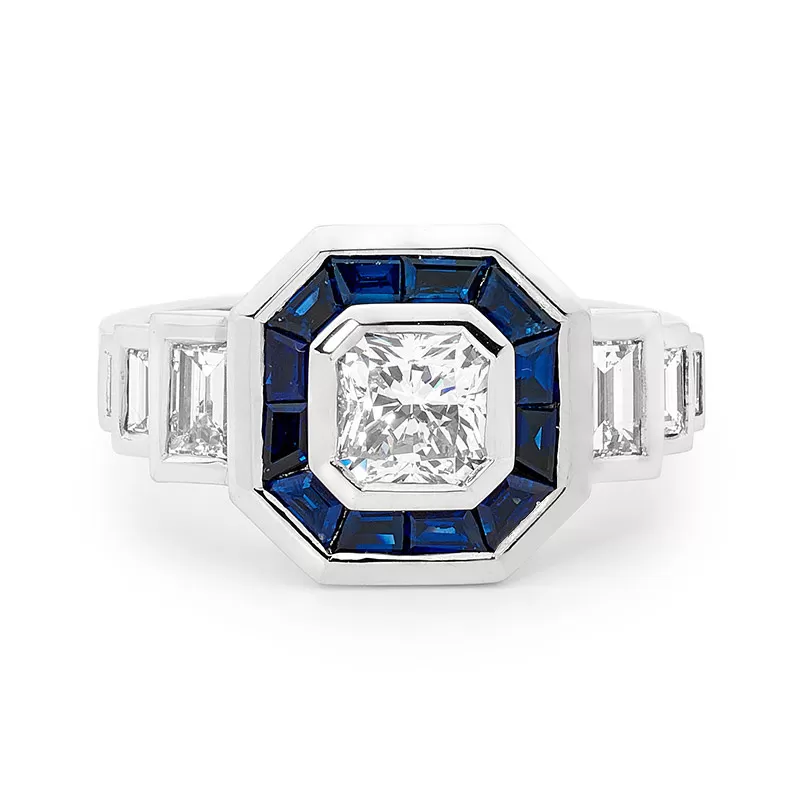


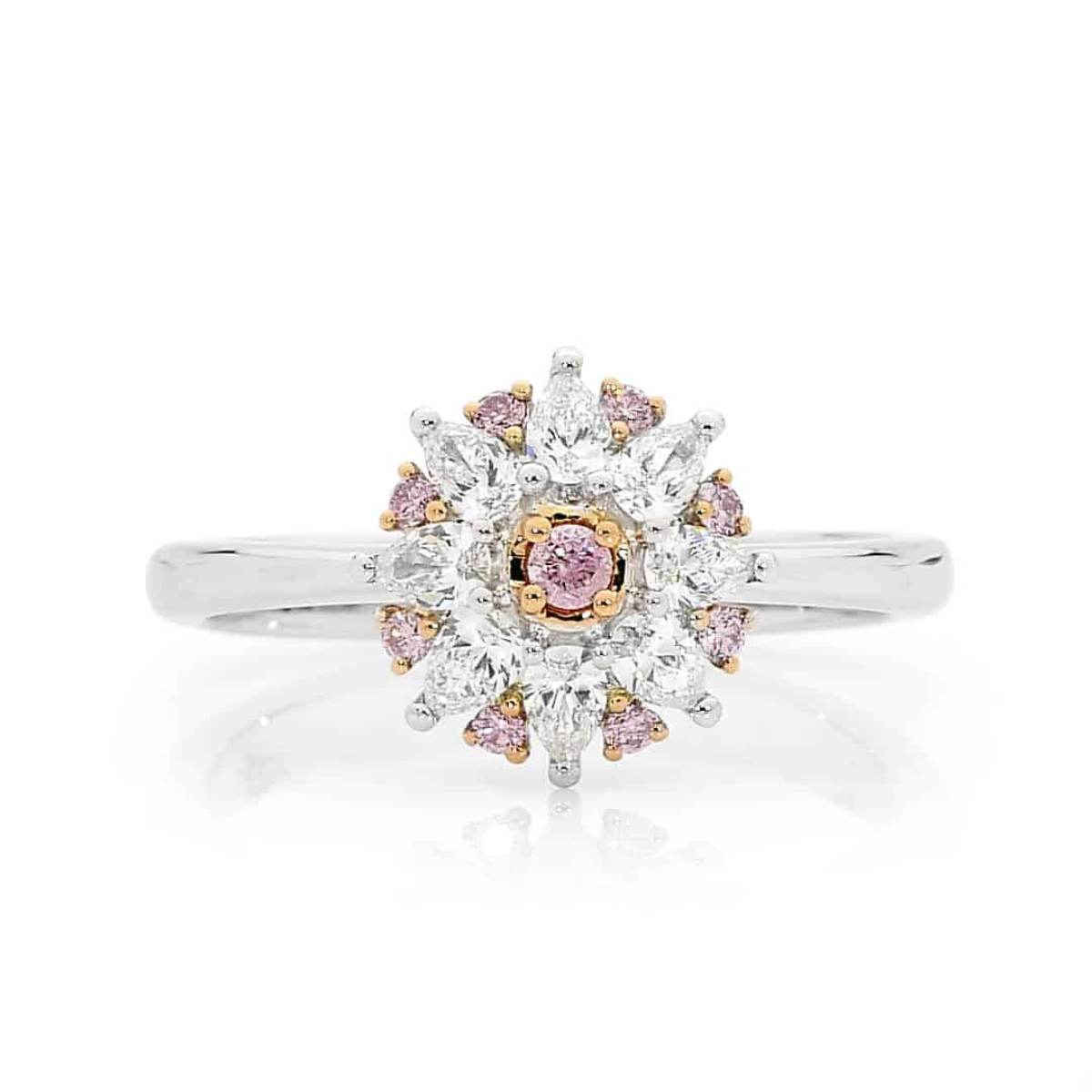


The Stones We Work With
Vibrant colour is the whole point of this part of the safe. The trade splits coloured stones into precious and semi precious. Precious means sapphire, ruby, emerald and diamond. Semi precious covers everything else, including amethyst, aquamarine, kunzite and tourmaline. It is a useful shorthand and a misleading one, because several so called semi precious stones are rarer and harder than the ones in the first group.
Sapphire
is the most versatile stone we set. It sits at 9 on the Mohs scale, second only to diamond, which makes it genuinely suitable for a ring worn every day. It comes in blue, pink, yellow, green, white and the pinkish orange the trade calls padparadscha. Pink sapphire has become one of our most requested coloured stones.
Ruby
is the same mineral as sapphire under a different name, so it shares that hardness. Rubies are among the toughest coloured stones you can wear and among the most valuable per carat.
Emerald
is the most beautiful and the most demanding. Almost every emerald carries inclusions, which is normal rather than a fault, but the stone is brittle and needs a protective setting. It should never go near an ultrasonic cleaner.
Australian opal
is softer again and contains water, so it needs both a protective setting and a little care. It is also the only stone that shows genuine play of colour, shifting through the spectrum as the hand moves.
Aquamarine and morganite
give real size at prices diamonds cannot approach. Aquamarine is the same family as emerald but far cleaner and tougher, and one of the loveliest blue gemstones there is. Morganite is its pink cousin and pairs naturally with rose gold.
Warmer stones
Citrine, topaz and garnet run from honey through to deep red and are among the best value in the safe. Amethyst covers every depth of purple.
The unusual ones
are the part of the safe we enjoy most. Spinel, mistaken for ruby for centuries and sitting in famous crown jewels under the wrong name. Tourmaline, which occurs in more colours than any other gemstone. Tanzanite, found in one small area of Tanzania. Moonstone, turquoise and onyx for anyone who wants something quieter. Zircon, a genuine mineral with dispersion close to diamond and nothing to do with cubic zirconia. Alexandrite, which shifts from green to red as the light changes.
More Than Rings
Gemstone rings are most of what we make, but they are not all of it. Stud earrings, drop earrings, pendants, necklaces and bracelets all suit coloured stones, and softer material that would struggle in an everyday ring is perfectly at home in a pendant or a pair of earrings.
We work mainly in 18ct yellow gold, white gold, rose gold and platinum, which are the metals that hold a valuable stone securely over decades. Sterling silver gemstone jewellery has its place at a lower price point, though silver tarnishes and wears far faster than gold, so we would not recommend it for a piece worn every day.
What The Stones Mean
Coloured stones carry associations that diamonds do not, which is a large part of why people choose them for a specific person or occasion.
Sapphire is linked with loyalty and nobility, and it is the traditional stone for a 45th wedding anniversary. Emerald stands for rebirth and love. Aquamarine is associated with tranquility, amethyst with calm, and citrine with prosperity and success.
None of it is science, and it matters anyway. A milestone birthday, an anniversary or the birth of a child are the occasions we are asked about most, and a stone chosen for its meaning says something about personal style that a plain diamond cannot.
How To Judge Quality
Four things decide whether a coloured stone is worth what you are being asked to pay.
Colour, clarity and cut, in that order. These are the 3 Cs for coloured gemstones and colour carries most of the weight. Carat matters less than it does with diamonds, because a smaller stone with better colour is usually worth more.
Origin and treatment. Most sapphire and ruby on the market is heat treated to improve colour, which is standard practice and permanent. Natural unheated stones command a significant premium. Other treatments, including fracture filling and dyeing, affect value considerably. We disclose what a stone has had done to it whether or not you ask.
Certification. For any stone of real value, an independent gemological certificate matters as much as it does for a diamond. We will arrange one.
The setting and the workmanship. A fine stone in a poorly made setting is a stone waiting to be lost. Quality settings use 18ct gold or platinum, and every piece we make is checked at the bench before it leaves the building.
Why Buy A Coloured Stone From Us
- Made on site – Every piece is designed and handcrafted at 145 Scarborough Beach Road, Mt Hawthorn. Nothing is sent away.
- Loose stones held here – Compare three sapphires under the same light, on the hand the ring is for.
- Treatment disclosed – We tell you what a stone has had done to it, whether or not you ask.
- Two centuries at the bench – Master jeweller Paul holds two Jewellery Association of Australia Awards.
Which Stones Handle Everyday Wear
Hardness is measured on the Mohs scale from 1 to 10, and it decides whether a stone belongs in an engagement ring or a dress ring. This is the short version of a conversation we have every week.
Hard enough for daily wear. Diamond sits at 10, sapphire and ruby at 9, and topaz at 8. Sapphire is our first suggestion for anyone who wants colour in a ring worn every day.
Fine with the right setting. Aquamarine, morganite and spinel sit between 7.5 and 8 and wear well in a bezel or a low setting. Emerald is in the same range but brittle, so it needs protecting.
Better in a dress ring, pendant or earrings. Tourmaline, garnet, amethyst and citrine sit around 7 to 7.5. Tanzanite at 6 to 7 suits special occasions rather than daily wear. Opal at 5.5 to 6.5 needs a protective setting. Pearl is softest of all at 2.5 to 4.5.
Softer stones are not off limits. They need the right setting, and a bezel is usually the answer for anything below 8. Softer material also suits a dress ring better than an everyday engagement ring.
Australian Stones
Two of the world’s great gemstone stories are Australian and both sit in our safe.
Australian sapphire is mined largely in the eastern states, and the distinctly Australian version is the parti sapphire, a single stone showing blue, green and gold at once. No two are alike, they cannot be synthesised convincingly, and they suit bespoke work far better than a catalogue.
Australian opal comes in three quite different materials at three quite different prices: Lightning Ridge black, Coober Pedy white and Queensland boulder. We will always tell you whether you are looking at solid opal, a doublet or a triplet, without being asked.
Closer to home we hold Western Australian pink diamonds from the Kimberley and Broome South Sea pearls, which are among the finest in the world.
Designing Around A Stone
Most coloured gemstones are cut to preserve colour and weight rather than to standard proportions, which means a stock setting rarely fits one properly. Building around the stone is the only way to do it well.
Tell us what you are after and we will source it. Every commission goes from conversation to 3D rendering to a silver prototype you can wear before anything is cast. Bring in a stone you already own if you have one.
If it is a fancy coloured diamond you are after, those are priced on colour intensity rather than clarity and sit in a different market. See our pink diamond jewellery for pink, yellow and champagne, or investment stones for the certified stones that genuinely hold value.
Start a bespoke design
Coloured Stone Questions
Which coloured stone is best for an engagement ring?
Sapphire. At 9 on the Mohs scale it handles daily wear the way few coloured stones can, and it comes in almost every colour including pink, green, yellow and padparadscha.
Are coloured gemstones cheaper than diamonds?
Usually, often dramatically, so the same budget buys more visible size. Fine ruby, padparadscha sapphire and top Colombian emerald are the exceptions and can exceed diamond per carat.
Can I wear an opal or emerald every day?
With the right setting. Both are softer and more fragile than sapphire, so a bezel and a low profile are close to essential, and neither should go near an ultrasonic cleaner.
What are the 3 Cs for coloured gemstones?
Colour, clarity and cut, with colour carrying most of the weight. Carat matters less than with diamonds, because a smaller stone with better colour is usually worth more.
Are coloured gemstones treated?
Most sapphire and ruby is heat treated, which is standard practice and permanent. Natural unheated stones are worth more. Other treatments affect value considerably, and anything we sell is disclosed either way.
Do I need a certificate?
For any stone of real value, yes. An independent gemological certificate confirms what you are buying and matters for insurance. We will arrange one.
Which gemstone suits an anniversary or milestone birthday?
Sapphire is the traditional 45th anniversary stone. Beyond that, choose by birth month or by meaning. Amethyst for calm, citrine for prosperity, aquamarine for tranquility, emerald for love.
Do you hold loose stones?
Yes. Colour cannot be judged from a photograph, so we keep loose coloured gemstones on site to compare side by side under real light.
Visit The Studio
Come in and see them in daylight. We will lay several stones out together, tell you honestly which will survive the way you live, and which belongs in a pendant rather than an engagement ring.